When Grief Returns: Understanding Late Reactions as a Natural Part of the Grieving Process


When Grief Returns: Understanding Late Reactions as a Natural Part of the Grieving Process
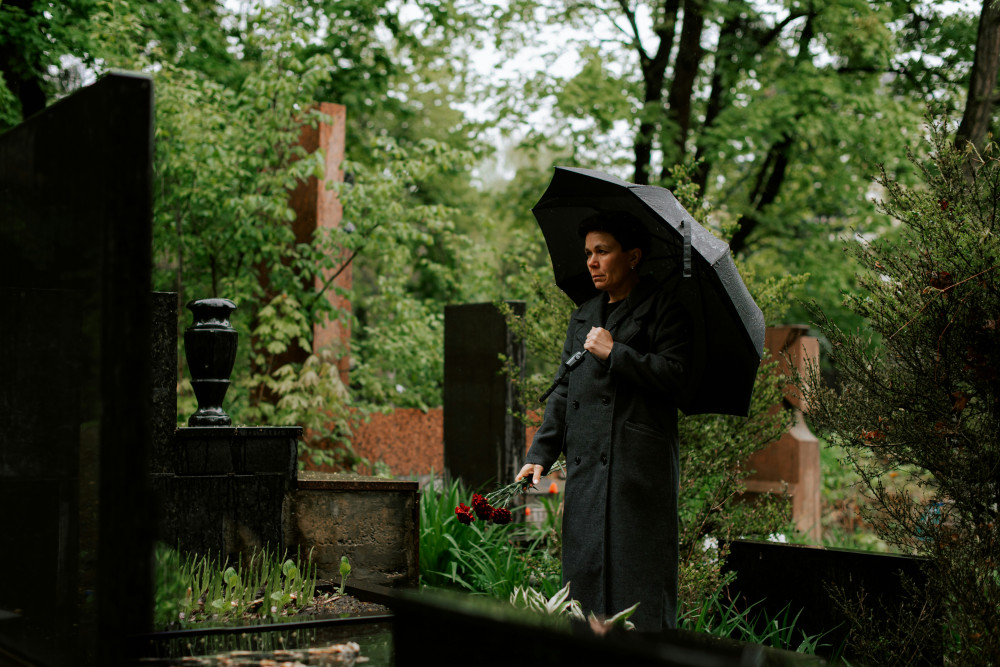
When we lose someone we love, grief can feel all-consuming. Over time, it often softens, becoming quieter and easier to live with. Yet many people find that, months or even years later, the sadness resurfaces—sometimes unexpectedly. A familiar song, a scent, an anniversary, or a quiet evening can suddenly bring the loss back into sharp focus. These late reactions can be unsettling, but they are a natural part of how grief moves through our lives.
Grief Comes in Waves, Not in Straight Lines
Grief rarely follows a predictable path. We might imagine it as something that fades steadily, but in reality, it ebbs and flows. Periods of calm can be followed by days when the pain feels as raw as it did at the beginning. This doesn’t mean you are “back to square one.” Rather, it shows that you are continuing to process your loss in new ways.
When grief returns, it can signal that you are ready to understand your loss from a different perspective. Perhaps your life has changed, or you yourself have changed, and that shift allows you to see your loss in a new light.
Anniversaries, Life Changes, and Unexpected Triggers
Late grief reactions often arise around particular moments or transitions, such as:
- Anniversaries – birthdays, death dates, or holidays.
- Life changes – becoming a parent, retiring, or moving home.
- Sensory triggers – a smell, a place, or a piece of music that evokes memories.
These moments can reopen emotions you thought had settled. It’s not a sign of weakness; it’s a reminder that your love and connection still exist, even as life moves forward.
Læs også:

When Others Think You’ve “Moved On”
One of the hardest parts of late grief is that those around you may assume you’ve “moved on.” Friends and family might stop asking how you’re coping, leaving you feeling isolated when the sadness returns.
It can help to speak openly about your feelings. Share your thoughts with someone you trust, or consider joining a bereavement support group. Talking about your experience can bring relief and remind you that grief doesn’t have an expiry date.
The Body Remembers Too
Grief is not only emotional—it can also be physical. Fatigue, restlessness, sleep problems, or tension can all reappear when grief resurfaces. These bodily reactions are part of how we carry loss.
Try to meet your body with kindness. Go for a walk, breathe deeply, or do something that soothes you. The goal isn’t to push grief away, but to make space for it without letting it take over.
Finding Meaning in What Still Hurts
Over time, grief often changes shape. It may become less raw but more reflective. Late reactions can offer a chance to find new meaning—not in the loss itself, but in how you continue to live with it.
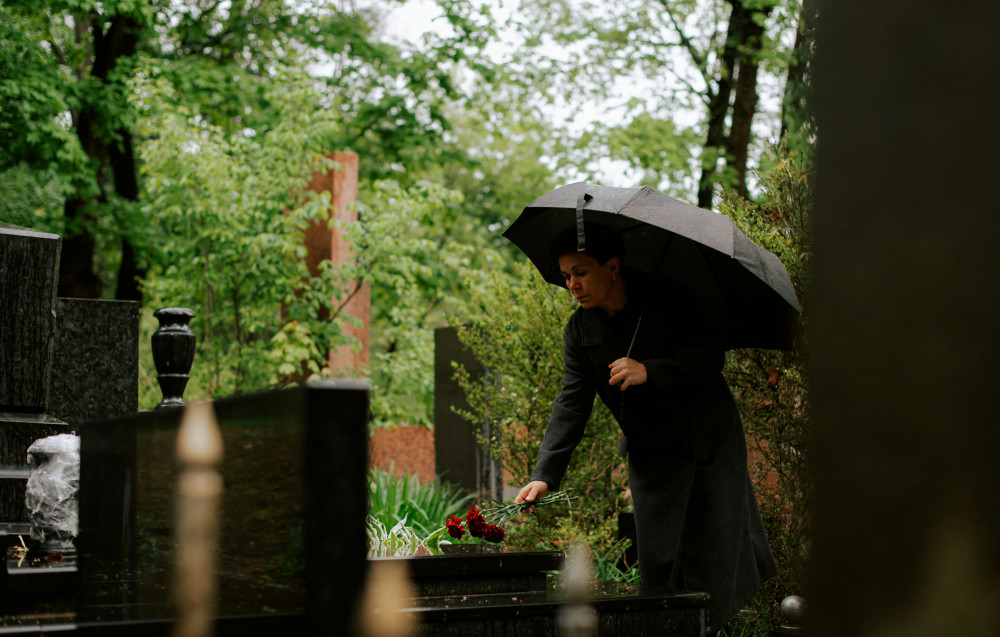
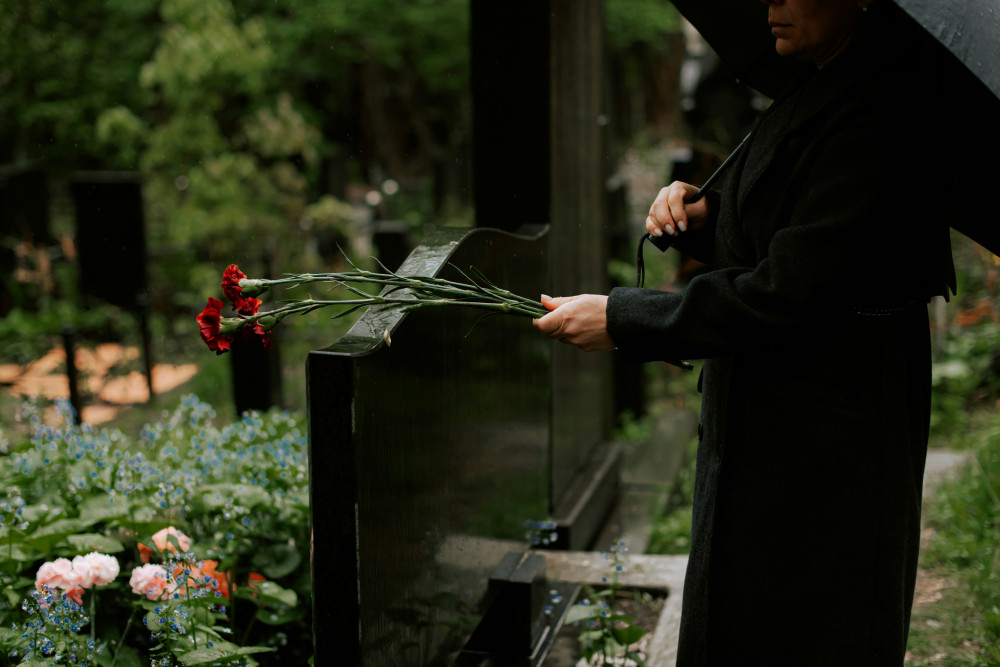
Small rituals can help: lighting a candle, writing a letter to the person you’ve lost, or visiting a place that holds memories. These acts can connect past and present, giving your grief a peaceful expression.
When Grief Feels Overwhelming
While late grief reactions are natural, they can sometimes become too heavy to manage alone. If you find that sadness dominates your days or that you’ve lost interest in things you once enjoyed, it may be time to seek professional support. In the UK, your GP can refer you to counselling or bereavement services, and organisations such as Cruse Bereavement Support or Mind offer free and confidential help.
Reaching out is not a sign of weakness—it’s an act of self-care.
Grief as a Lifelong Companion
Grief doesn’t disappear; it changes. When it returns, it reminds us that love endures and that our connection to those we’ve lost remains part of who we are. Accepting late grief reactions as a natural part of the process can bring peace—and help us understand both our loss and the life that continues around it.
Læs også: