Gratitude as a Path to Inner Strength and Personal Growth


Gratitude as a Path to Inner Strength and Personal Growth
In a world that often feels fast-paced and demanding, it can be easy to lose sight of what truly gives life meaning. Gratitude is one of the simplest yet most powerful tools we have to reconnect with ourselves and find calm, strength, and purpose. It is not about pretending that everything is perfect or ignoring difficulties, but about choosing to focus on what still works and what nourishes our inner life.
What Does It Mean to Practise Gratitude?
Gratitude is more than just saying “thank you.” It is a conscious attitude – a way of seeing and acknowledging the small and large gifts that life offers, even in challenging times. It might be the warmth of a morning cup of tea, a kind word from a colleague, or the comfort of knowing someone truly understands you.
When we train ourselves to notice these moments, our perspective begins to shift. We start to see that even in difficult periods, there are glimmers of light that can give us hope and strength to move forward.
The Impact of Gratitude on Mind and Body
Research from universities across the UK and beyond has shown that people who regularly practise gratitude experience greater life satisfaction, better sleep, and lower stress levels. When we focus on the positive, the brain’s reward system is activated, releasing chemicals such as dopamine and serotonin – the same ones linked to feelings of happiness and calm.
But the effect is not only biological. Gratitude also helps us develop a more balanced and realistic view of life. Instead of being consumed by what we lack, we become more aware of what we already have – and that awareness strengthens our resilience when facing life’s challenges.
Læs også:

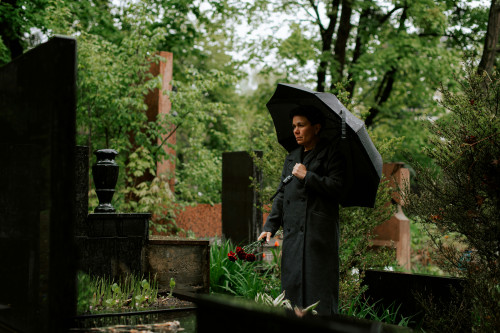
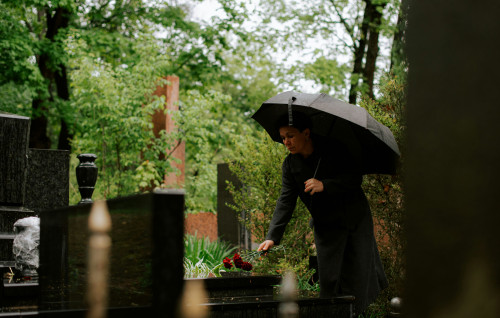
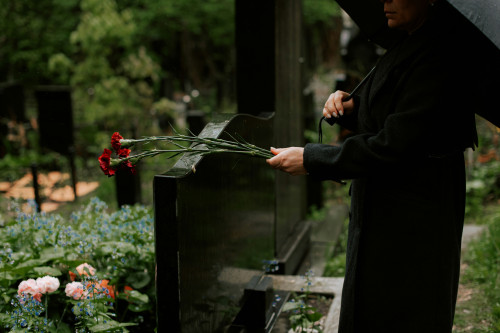
When Life Hurts – Gratitude as a Healing Force
It may seem paradoxical to talk about gratitude in times of loss, grief, or crisis. Yet it is often in those moments that gratitude can quietly support us. It can help us find our footing when everything else feels uncertain.
Being grateful does not mean being glad for what has happened, but rather recognising the small signs of life and love that still exist. It might be a friend who reaches out, a memory that brings warmth, or a new insight that begins to grow. These moments can act as anchors, holding us steady in hope and helping us to heal.
Simple Ways to Cultivate Gratitude in Everyday Life
Making gratitude part of daily life does not require major changes – just small, intentional steps. Here are a few ways to begin:
- Write down three things each day that you are grateful for. They can be as simple as a good meal, a moment of laughter, or a sense of peace.
- Say it out loud – tell the people around you that you appreciate them. It strengthens both your relationships and your own sense of connection.
- Spend time in nature – take a walk and notice what brings you joy or calm: the sound of birds, the changing light, or the rhythm of the sea.
- Shift your focus in difficult situations – ask yourself, “What can I learn from this?” or “Is there still something here to be grateful for?”
Over time, gratitude becomes a habit – a way of seeing the world that brings more clarity and peace.
Gratitude as a Path to Personal Growth
When we practise gratitude, we not only learn to appreciate life more deeply, but we also strengthen our self-awareness. We become clearer about what truly matters and less driven by comparison or external expectations.
Gratitude opens the door to a gentler form of self-acceptance. It reminds us that we do not need to be perfect to be worthy, and that growth often happens quietly – in the moments when we pause and realise that we already have enough.
A Quiet Strength That Grows from Within
Living with gratitude is not an escape from reality, but a way of meeting it with greater openness and strength. It is a practice that can carry us through both joy and sorrow – and, over time, it becomes an inner resource we can always return to.
When we learn to see life through the lens of gratitude, we discover that strength is not always about striving or fighting. Sometimes, it is about standing still, taking a breath, and saying: “I am here – and there is still so much to be grateful for.”
Læs også: