The common thread in interior design: How to maintain cohesion when you experiment

The common thread in interior design: How to maintain cohesion when you experiment
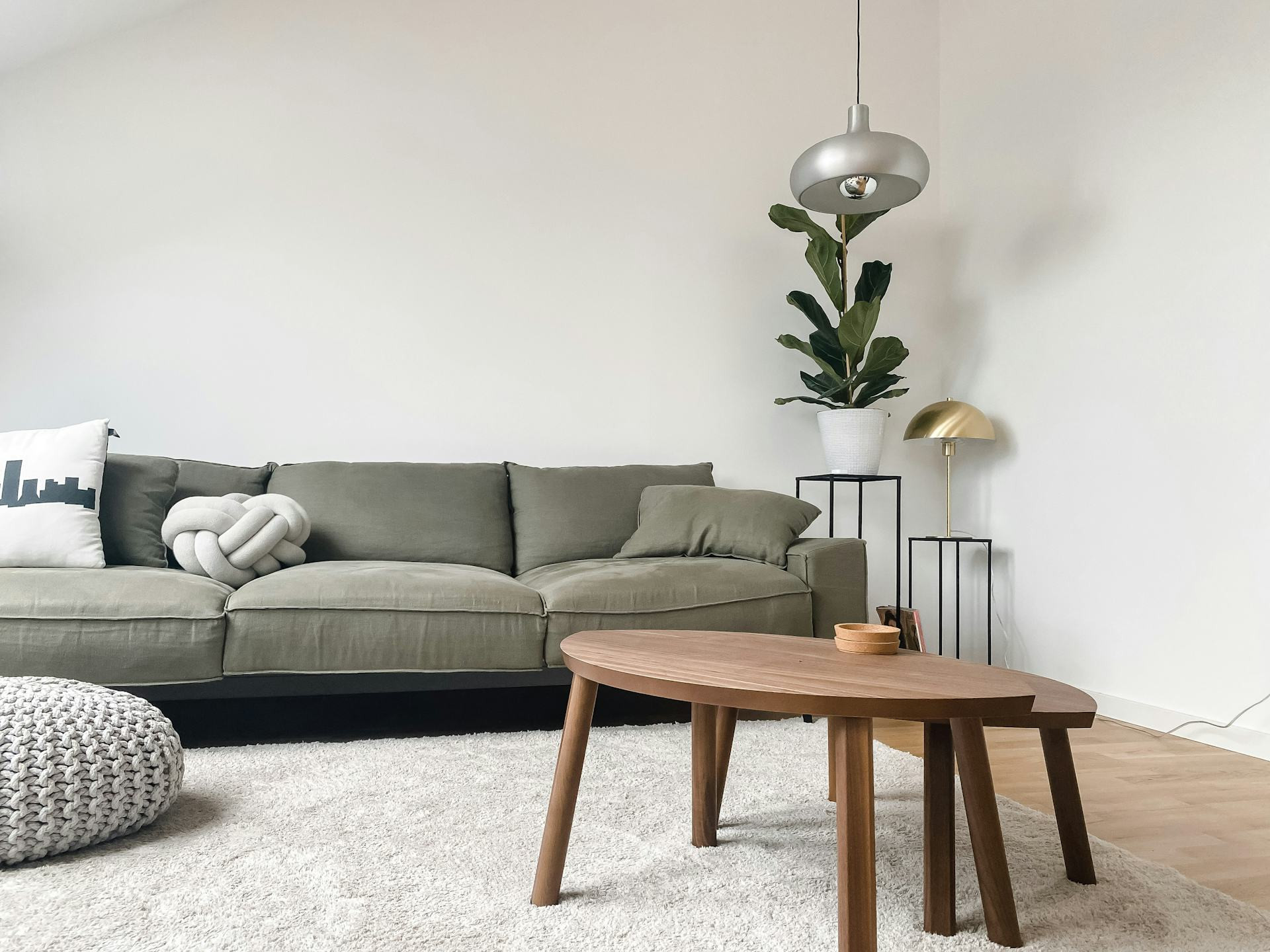
Creating a home that feels both personal and harmonious can be a delicate balancing act. Many of us love to experiment with colour, pattern and style – but without a common thread, the result can quickly feel disjointed. The good news is that you can absolutely play with trends and bold ideas, as long as you keep a few guiding principles in mind. Here’s how to maintain cohesion in your interior design, even when you like to mix things up.
Begin with a clear concept
Every cohesive interior starts with a concept – a foundation that ties your spaces together. It might be a colour palette, a material, a mood or a particular design style.
Ask yourself: What do I want my home to express? Should it feel calm and minimal, warm and eclectic, or sleek and contemporary? Once you’ve defined that, it becomes much easier to choose furniture, fabrics and details that fit the overall vision.
A practical tip is to create a moodboard with images, paint swatches and material samples. Seeing everything together helps you spot what works – and what doesn’t – before you commit.
Læs også:


Use colour as a connector
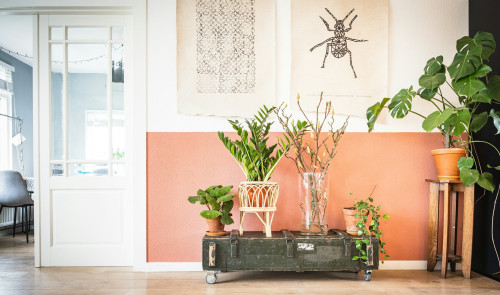
Colour is one of the most powerful tools for creating flow between rooms. You don’t need to paint every wall the same shade, but repeating certain tones or accents throughout your home helps it feel unified.
- Neutral bases such as white, cream and soft grey create calm and flexibility.
- Accent colours add personality – but repeat them in different rooms so they feel intentional.
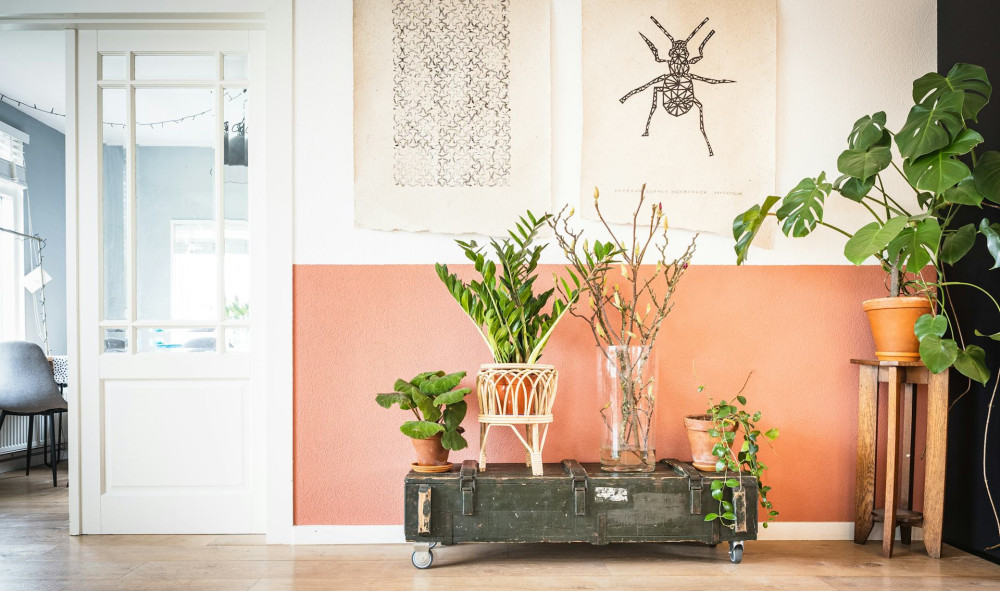
- Natural hues like green, clay and sand bring warmth and work beautifully with wood and plants.
If you love bold colour, choose one dominant tone and let the others support it. That way, even a vibrant home feels balanced.
Materials and textures build rhythm
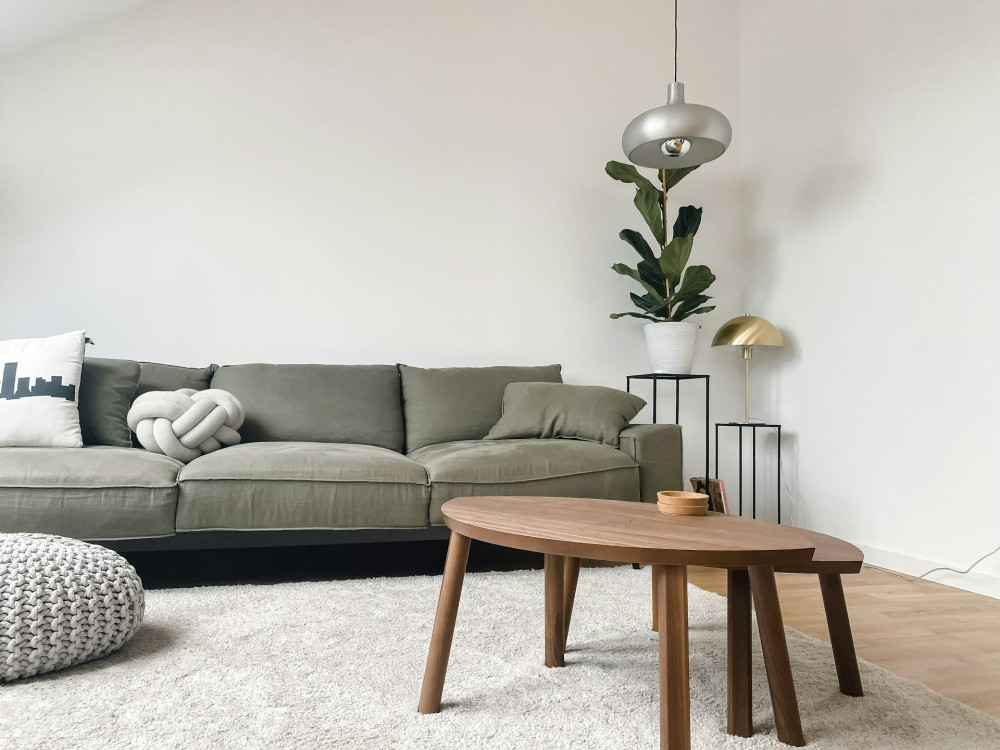
Repeating materials and textures is another way to maintain cohesion. Think of oak, brass, marble or linen appearing in different rooms – perhaps as flooring, handles, worktops or cushions.
For example, if you have oak furniture in the living room, echo it in the kitchen with oak shelving or in the bedroom with a headboard. The repetition creates a sense of rhythm, even when each space serves a different purpose.
Texture also matters. Combining smooth and rough, matte and glossy surfaces adds depth – but make sure they share a similar aesthetic language.
Repetition and variation
Cohesion doesn’t mean uniformity; it’s about rhythm. Repeating shapes, colours or patterns creates familiarity, while variation keeps things interesting.
You might use curved forms in your lighting, mirrors and tables, but vary the size or material. Or let a particular motif appear in cushions, wallpaper and ceramics. The result is a home that feels connected yet full of character.
Personal touches as your signature
A home truly comes alive when it reflects who you are. Your common thread can be as simple as your own taste – a love of vintage finds, art, greenery or travel mementos.
When chosen thoughtfully, these personal elements act as signatures that tie your rooms together. It could be a recurring colour, a favourite artist’s work, or a style you return to time and again.
Create smooth transitions between rooms
Transitions are often where cohesion is lost. Think about how your rooms relate to one another – especially if you can see from one space into the next. Let colours, materials or lighting link them visually.
Lighting, in particular, can be a subtle connector. Lamps with similar finishes or shapes can create continuity, even when the rooms serve different functions.
Allow room for change
Even the most carefully designed home should evolve. The common thread isn’t a constraint – it’s a framework that gives you freedom to experiment.
When you’re tempted by a new colour, piece of furniture or trend, ask yourself how it fits into the bigger picture. If you can find a link to what’s already there, it will feel like a natural addition rather than a disruption.
Cohesion brings calm
A home with a clear common thread feels calm and inviting, even when it’s full of life and personality. It’s not about following strict rules, but about finding balance between consistency and creativity.
When you experiment within a coherent framework, you create a home that feels both harmonious and dynamic – a space where everything connects, because it all reflects you.
Læs også: