Test the colours before you paint – avoid unexpected differences in light and mood

Test the colours before you paint – avoid unexpected differences in light and mood
Choosing the right colour for your walls might seem straightforward – but many homeowners are surprised when the finished result looks completely different from what they imagined. Colours change character depending on light, surroundings and time of day. That’s why it’s essential to test your colours before painting the whole room. Here’s a guide to help you avoid unexpected differences in light and mood – and achieve a result you’ll love for years to come.
How light affects colour
Light is the most important factor when choosing wall colours. A shade that looks warm and golden in the shop can appear dull or cold once it’s on your own walls. Both natural and artificial light influence how our eyes perceive colour.
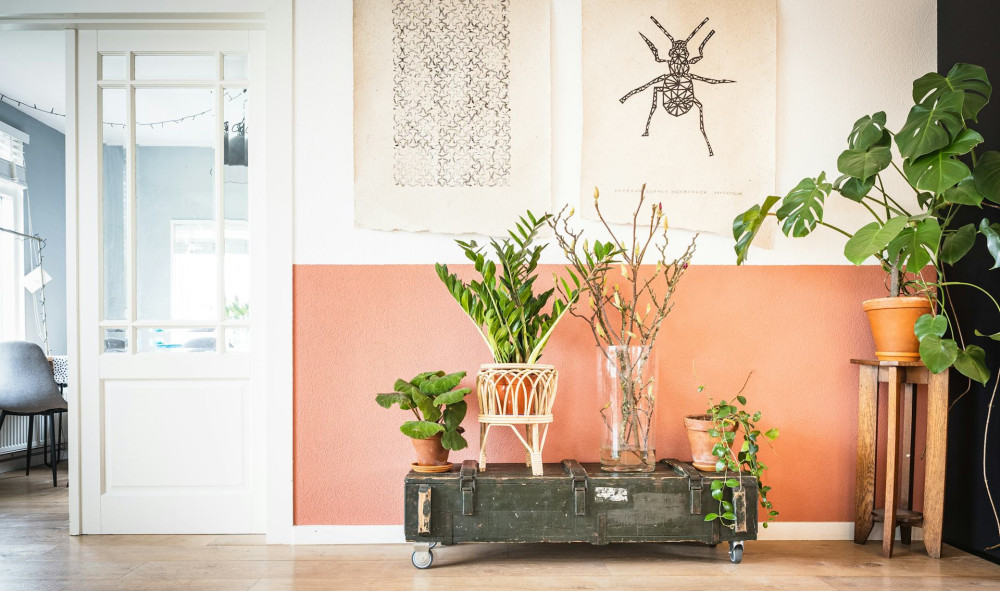
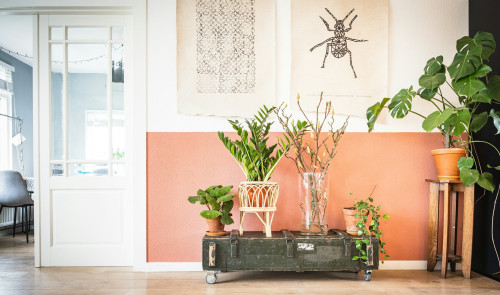
- North-facing rooms tend to receive cooler, bluish light. Warm tones such as beige, terracotta or soft pink can help balance this.
- South-facing rooms are bathed in sunlight for most of the day, which makes colours appear lighter and more intense. Muted shades can create a calmer atmosphere here.
- East-facing rooms enjoy bright morning light but become dimmer in the afternoon – ideal for gentle, light colours.
- West-facing rooms get a warm evening glow that enhances reds and golden tones.
It’s worth observing how daylight moves through your room before making a final decision.
How to test colours in practice
Instead of relying on a tiny paint swatch, always test your chosen colour on a larger area. Buy a small tester pot and paint a square on the wall – ideally at eye level and at least 50 x 50 cm. If you’re considering several shades, paint them side by side for comparison.
Alternatively, paint your samples on pieces of card or MDF board that you can move around the room. This allows you to see how the colour changes in different lighting conditions and against various walls.
Leave the samples up for a few days so you can view them in daylight, evening light and under artificial lighting. This gives a far more realistic impression than judging the colour in the shop.
Think about the whole room – not just the walls
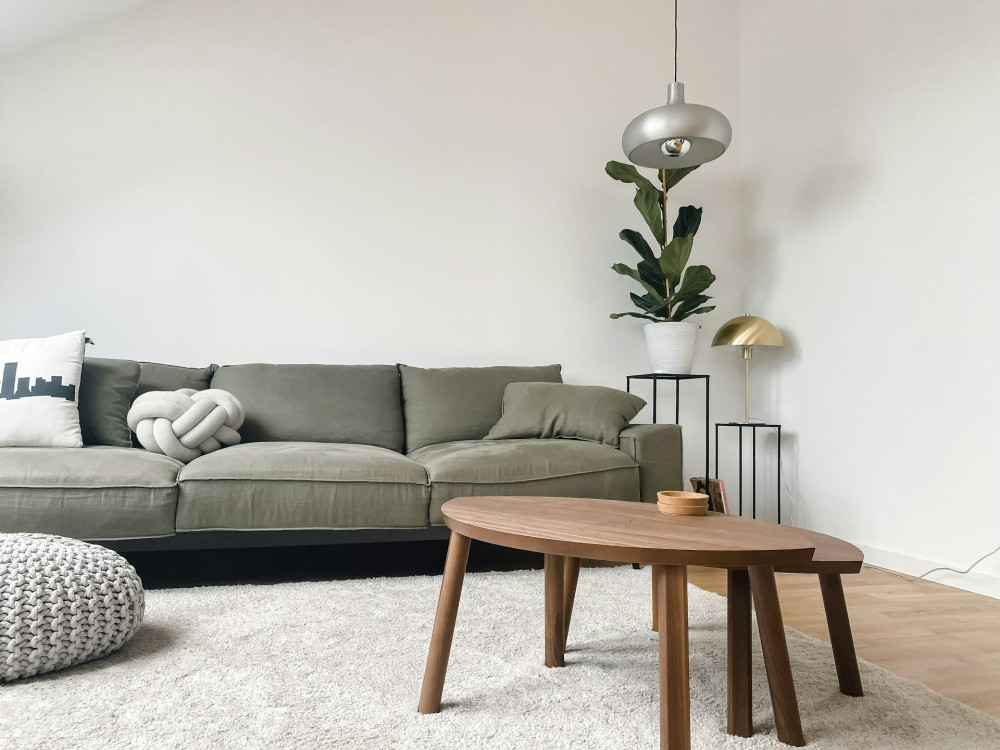
A colour never stands alone. It’s influenced by everything around it: flooring, ceiling, furniture, fabrics and lighting. A grey wall can feel warm in a room with wooden floors and golden lamps, but cold in a space with white tiles and cool LED light.
Consider how your chosen colour interacts with the rest of the room. Bring fabric swatches, flooring samples or photos of your furniture when choosing paint. This helps you create a harmonious overall look.
Læs også:

Avoid common mistakes
Many people end up disappointed because they overlook a few key details:
- Colours look darker on large surfaces. A shade that seems light on a colour card can appear much deeper once it covers an entire wall.
- Finish affects the look. Glossy paint reflects more light and can make a colour appear brighter and shinier. A matt finish gives a softer, more understated effect.
- Colours change over time. Sunlight can fade paint, especially in rooms with large windows. Choose high-quality paint with good lightfastness to keep your colour looking fresh.
Create the right mood
Colours influence not only how a room looks but also how it feels. Blues and greens tend to be calming and restful, while warm tones like ochre, rust and golden beige can add cosiness and energy. Neutral shades such as grey, sand and off-white offer flexibility and suit many styles.
Think about the atmosphere you want to create before choosing. A bedroom might call for soothing, muted tones, while a kitchen or living room can handle more vibrant colours.
Take your time – and trust your instincts
Choosing colours is both a technical and emotional process. Take time to test, observe and reflect. When you see the colour in your own light and surroundings, you’ll quickly sense whether it feels right.
It’s far better to spend a few extra days testing than to repaint because the colour didn’t turn out as expected. With a little patience, you can achieve a result that looks beautiful and feels just right – in every kind of light.
Læs også: