Prepare Your Meals in Advance and Create More Calm in Your Everyday Life

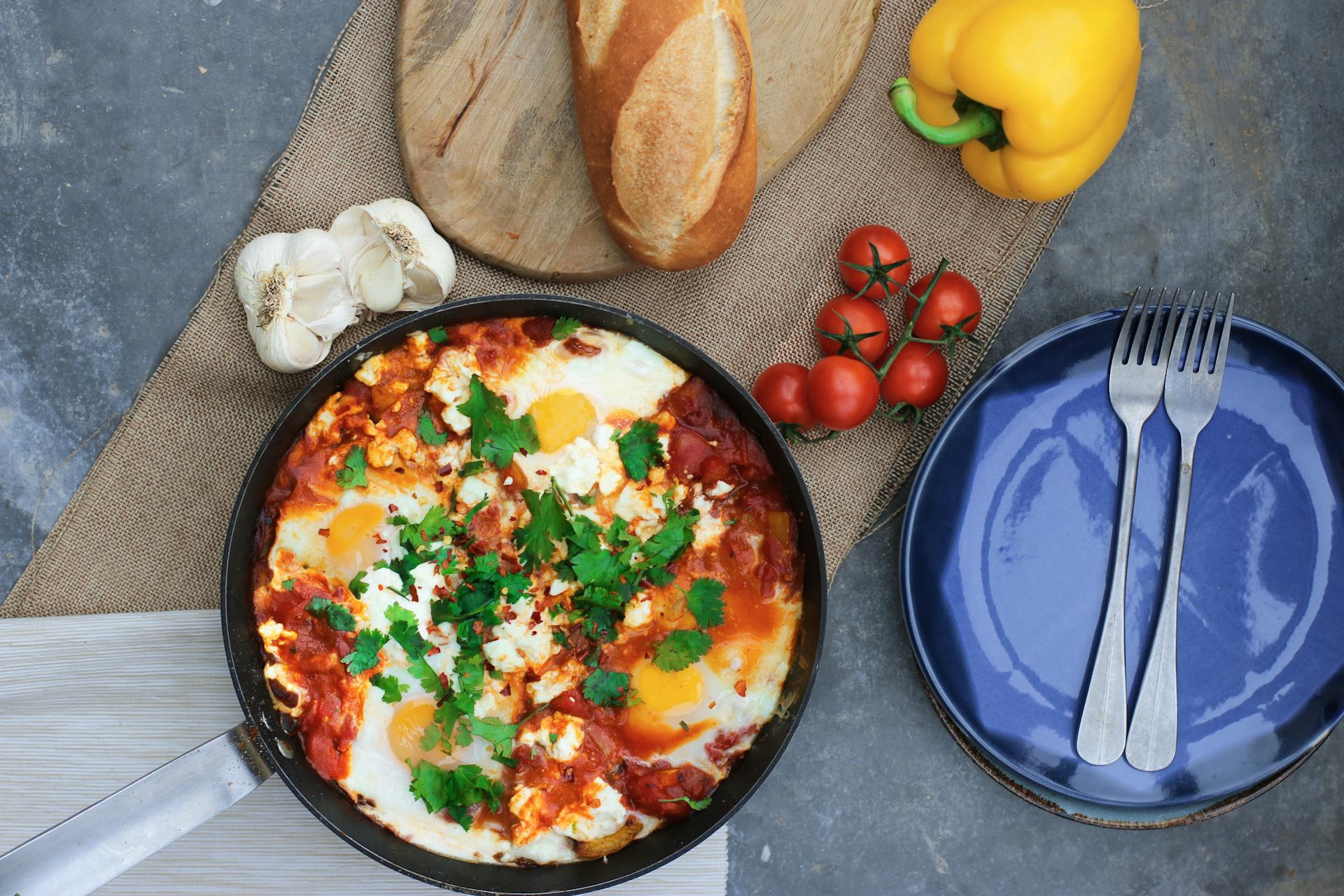
Prepare Your Meals in Advance and Create More Calm in Your Everyday Life
A busy week filled with work, family commitments and social plans can make it difficult to find the time and energy to cook healthy, satisfying meals. It’s easy to fall back on quick fixes or takeaway, but it doesn’t have to be that way. By preparing your meals in advance, you can bring more calm, structure and balance into your everyday life. Here’s how to get started with meal prep and make it a natural part of your weekly routine.
Why Preparation Makes a Difference
When you plan and prepare your meals ahead of time, you remove many of the small daily decisions that can cause stress. You no longer have to stand in the kitchen at 6 p.m. wondering what to cook, and you’re less likely to resort to last-minute supermarket runs or expensive takeaways.
Meal prep also gives you more control over what you eat. You can make sure your meals are balanced, nutritious and suited to your goals – whether that’s eating more vegetables, saving money or cutting down on food waste.
Læs også:

Plan Your Week – and Keep It Simple
The first step is to plan. Set aside a short time each week to create a meal plan. It doesn’t need to be complicated. Start with three or four dishes that can be used in different ways.
- Cook larger portions of meals that keep well, such as stews, soups or pasta bakes.
- Think about reusing ingredients – for example, cook extra rice or couscous to use in salads the next day.
- Stay flexible – leave a couple of evenings free for leftovers or spontaneous plans.
Once you’ve made your plan, write a shopping list and do one big shop. This saves both time and mental energy during the week.
Use Sunday as Your Prep Day
Many people find Sunday a good day to prepare food for the week ahead. Spend a couple of hours chopping vegetables, cooking grains, or making base dishes that can be mixed and matched.
Here are a few ideas for what to prepare:
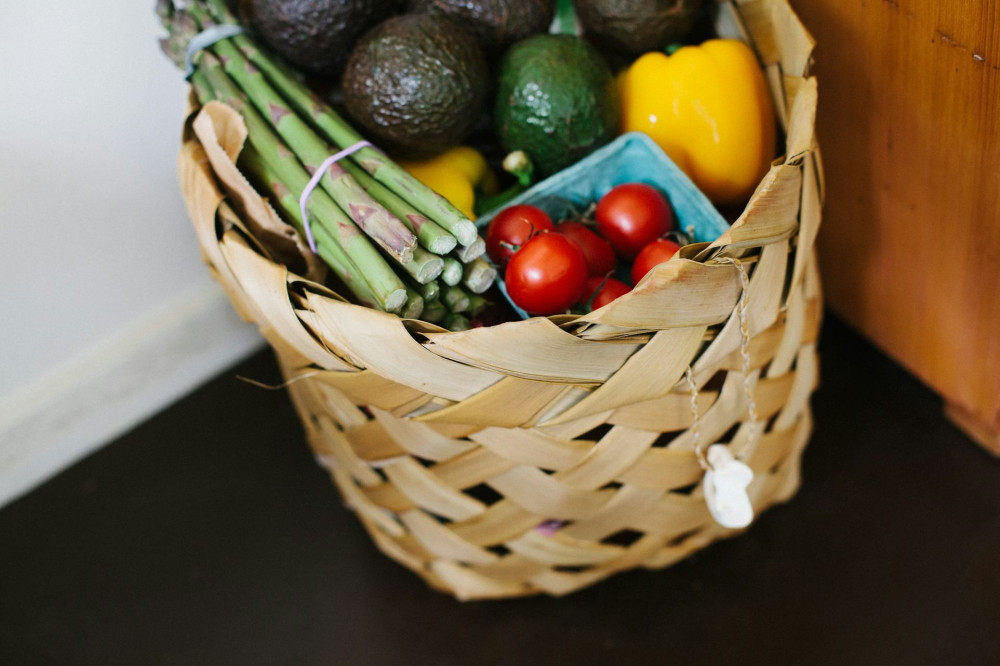
- Vegetables: Chop carrots, peppers and broccoli so they’re ready for stir-fries or salads.
- Proteins: Boil eggs, roast chicken or make a big batch of lentil curry.
- Carbohydrates: Cook rice, pasta or potatoes to use in several meals.
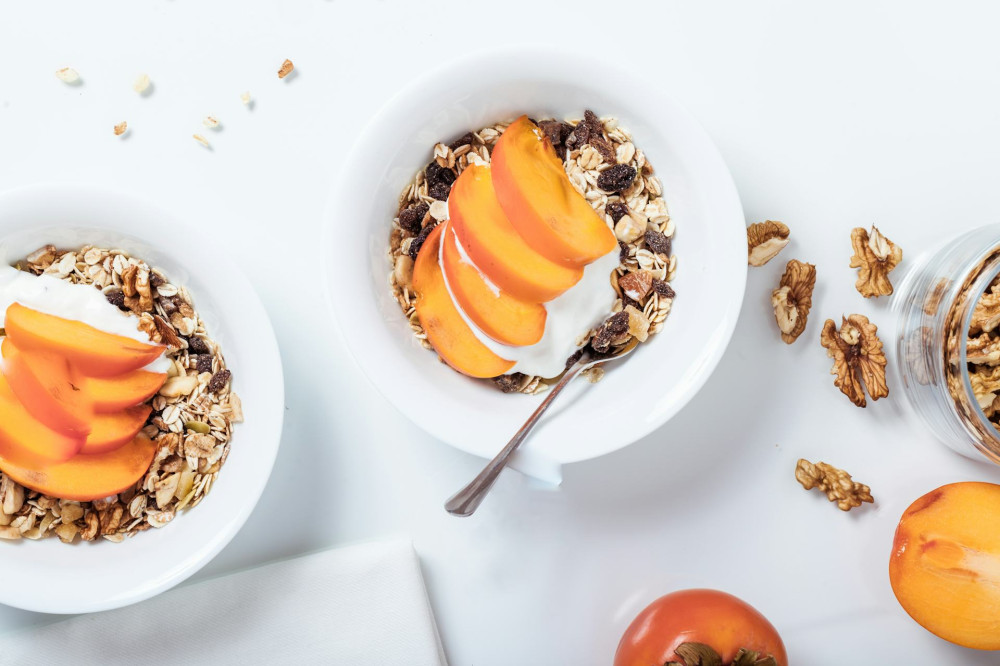
- Snacks: Portion out nuts, cut fruit or bake healthy muffins for the week.
Store everything in airtight containers in the fridge and label them with dates to keep track.
Make It Easy for Yourself
Meal prep isn’t about perfection – it’s about making life easier. Use tools that save time, such as a food processor, slow cooker or air fryer. Choose recipes you genuinely enjoy and that don’t require too many ingredients.
A helpful approach is to think in components rather than complete meals. If you’ve prepared vegetables, grains and proteins, you can quickly put together different dishes: a salad, a wrap or a warm bowl – depending on your mood and schedule.
Bring Calm to Mealtimes
When your food is already prepared, mealtimes become less stressful and more enjoyable. You can sit down, eat mindfully and actually taste your food instead of rushing through the cooking process.
It also gives you a sense of control and calm that can influence the rest of your day. Many people find they eat more healthily, have more energy and even sleep better when their meals are planned and ready.
A Habit That Pays Off
Meal prepping takes a bit of planning at first, but it quickly becomes a routine. Once you experience how much time and peace of mind it brings, you’ll wonder how you managed without it. You’ll have more energy for your family, your hobbies – and yourself.
Start small, find a rhythm that suits you, and remember that even a little preparation can make a big difference. It’s not about doing everything perfectly, but about creating a daily life that feels calmer, healthier and more balanced.
Læs også: