From Theory to Shopping Trolley: How to Put the Dietary Guidelines into Practice

From Theory to Shopping Trolley: How to Put the Dietary Guidelines into Practice
The UK’s Eatwell Guide is designed to help us eat a healthy, balanced and sustainable diet. But knowing the advice and actually following it are two different things. How do you turn “eat more fruit and veg” into real choices at the supermarket? And how can you make healthy meals without spending a fortune or hours in the kitchen? Here’s a practical guide to turning the guidelines into everyday habits – starting with your shopping trolley.
Start with a Plan
Healthy eating begins before you even step into the shop. A bit of planning helps you avoid impulse buys and ensures you have the right ingredients for balanced meals.
- Make a weekly meal plan. It doesn’t have to be complicated – just a rough idea of what you’ll eat over the next few days.
- Check your cupboards and freezer before shopping to avoid buying duplicates and wasting food.
- Write a shopping list – and stick to it. It’s easier to make mindful choices when you know what you need.
When planning, think about variety: colourful vegetables, different protein sources, and wholegrain versions of your usual staples.
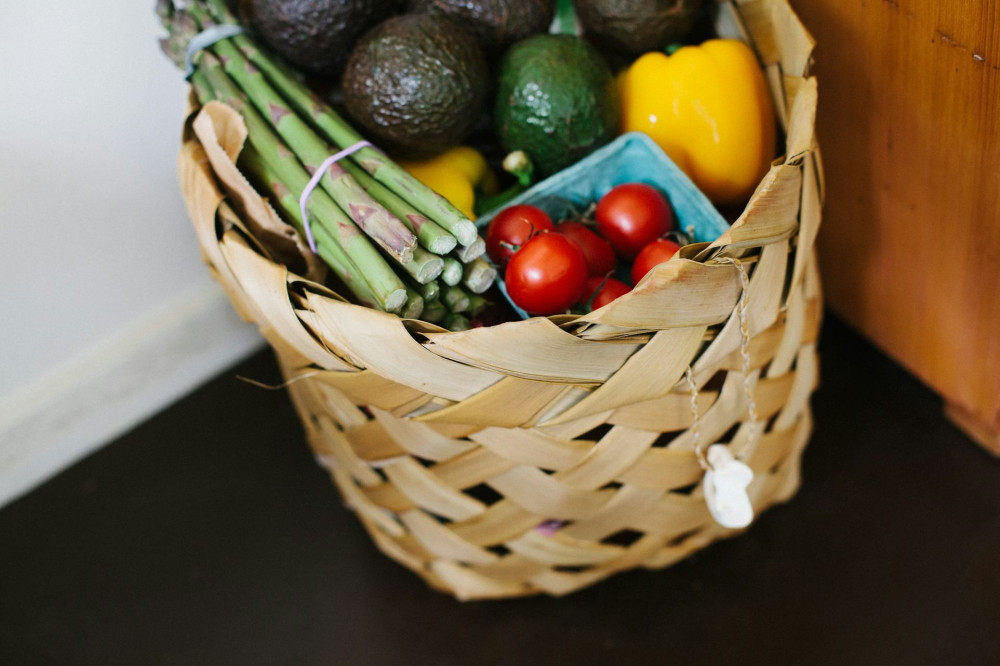
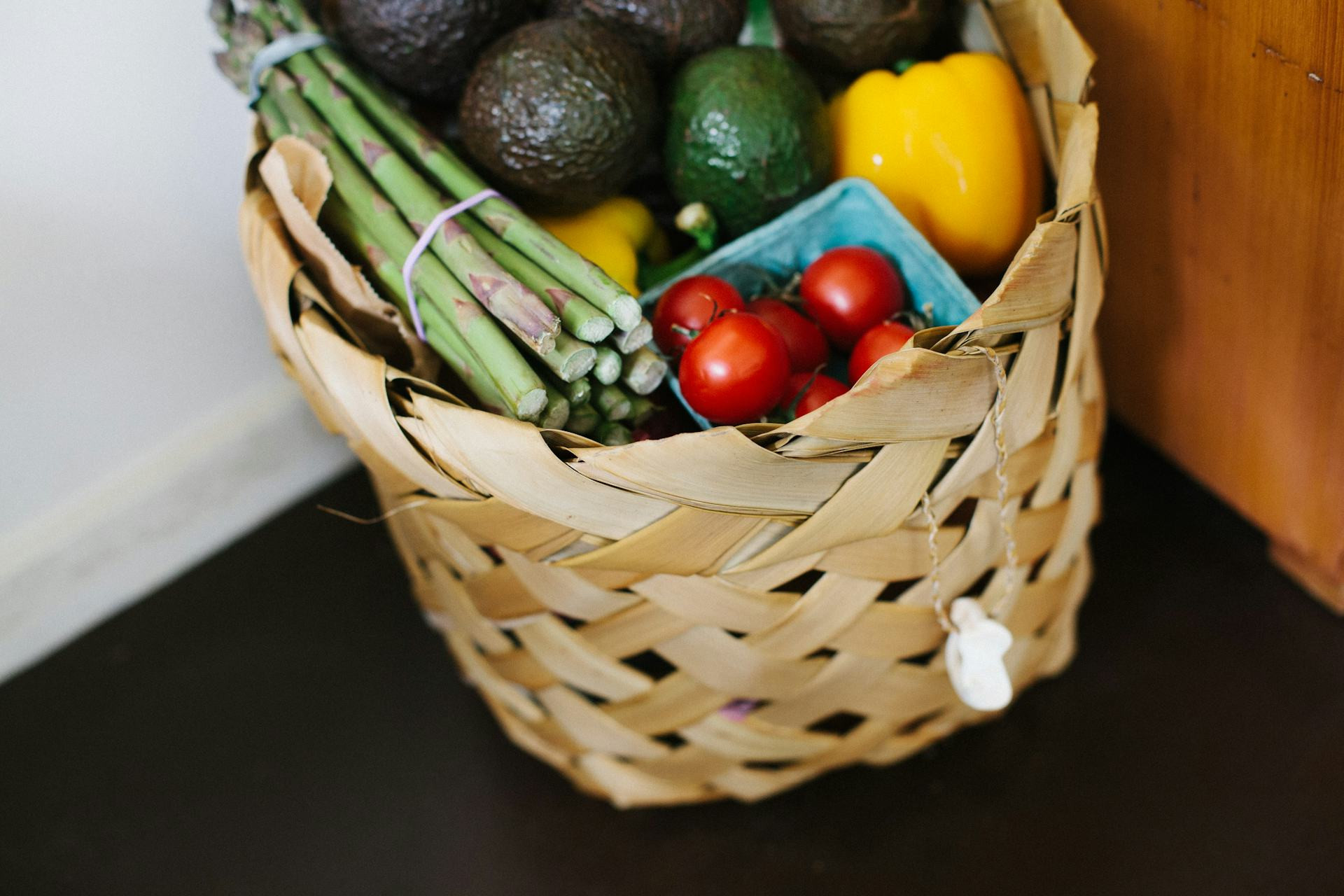
Fill Half Your Trolley with Fruit and Veg
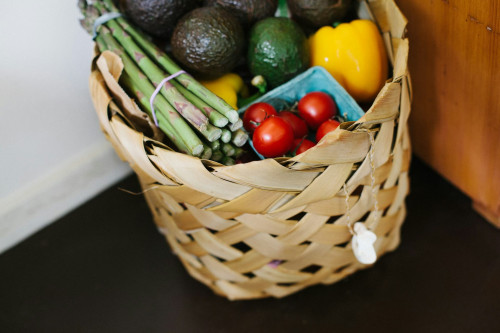
The Eatwell Guide recommends at least five portions of fruit and vegetables a day – ideally more. It might sound like a lot, but it’s easier than you think.
- Mix fresh, frozen and tinned (in water or juice, not syrup). Frozen veg are just as nutritious and often cheaper.
- Buy seasonal produce. It’s tastier, more affordable and better for the environment.
- Prep ahead. Wash and chop vegetables when you get home so they’re ready for quick meals or snacks.
A simple rule of thumb: let fruit and veg fill half your plate. It adds colour, flavour and plenty of nutrients.
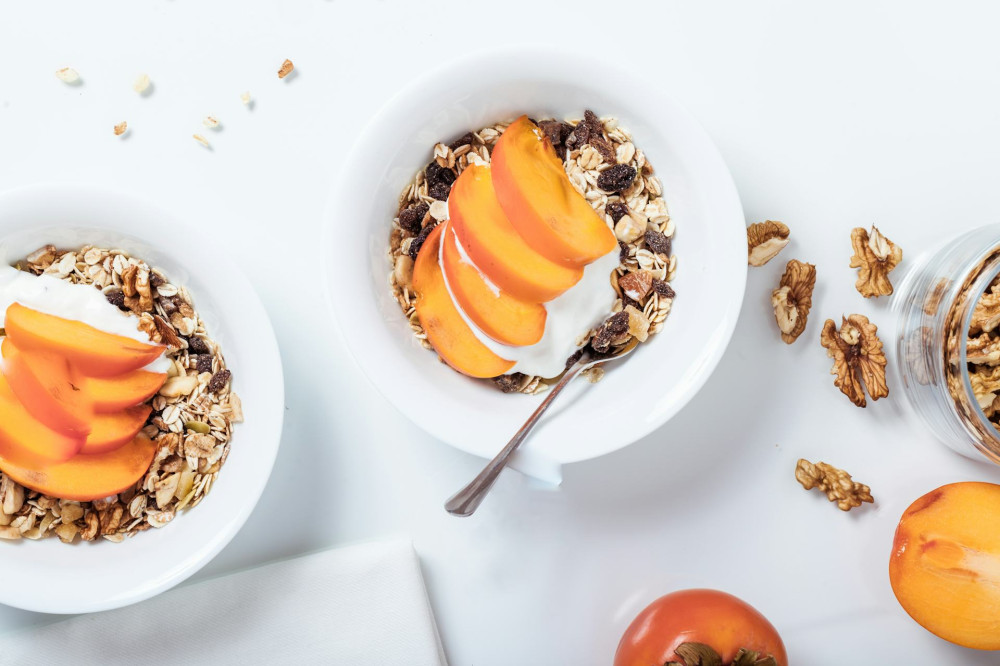
Choose Wholegrains Over Refined
Wholegrains provide fibre, vitamins and longer-lasting energy. In the UK, look for labels that say “wholegrain” or “high in fibre”.
- Swap white bread for wholemeal or seeded loaves.
- Choose brown rice, wholewheat pasta or oats instead of refined versions.
- Try wholegrain breakfast cereals with no added sugar.
Small swaps make a big difference, and your taste buds will soon adjust to the richer flavour and texture.
Læs også:

Eat Less Meat – and Better Quality
Cutting down on red and processed meat is good for both your health and the planet. You don’t have to give it up completely – just eat it less often and in smaller portions.
- Try meat-free days once or twice a week. Dishes with lentils, beans or chickpeas can be filling and delicious.
- When you do eat meat, choose lean cuts and keep portions modest.
- Include fish twice a week, with at least one portion of oily fish such as salmon, sardines or mackerel.
Plant-based proteins like beans, lentils and tofu are affordable, versatile and packed with nutrients.
Watch the Sugar, Salt and Fat
Many ready meals, snacks and drinks contain more sugar, salt and saturated fat than we realise. A few simple habits can help you cut back.
- Check food labels. The traffic light system on UK packaging makes it easy to spot healthier options.
- Choose water or milk instead of sugary drinks.
- Flavour with herbs, spices, lemon or vinegar instead of extra salt or sauces.
- Cook from scratch when you can – it gives you control over what goes into your food.
Over time, your taste buds adapt, and you’ll start to appreciate the natural flavours of your ingredients.
Make It Work for You
Healthy eating isn’t about perfection – it’s about progress. Focus on small, realistic changes that fit your lifestyle.
Start with one goal, like adding a portion of veg to every meal or switching to wholegrain bread. Once that feels easy, move on to the next step.
And remember: food should be enjoyable. Explore new recipes, try local produce, and share meals with family or friends. When healthy eating feels satisfying and flexible, it becomes a habit you’ll want to keep.
Læs også: