Creative courses as a sanctuary: Find peace in immersion
Creative courses as a sanctuary: Find peace in immersion
In a world that rarely slows down, where screens dominate our attention and deadlines seem endless, there’s something deeply soothing about sitting down with a brush, a lump of clay, or a skein of yarn. Across the UK, creative courses are flourishing – from pottery studios in Bristol to painting workshops in the Scottish Highlands – offering a space to pause, create, and reconnect. For many, these classes become more than a pastime; they are a sanctuary for the mind.
A pause from the everyday rush
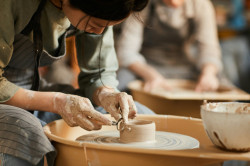
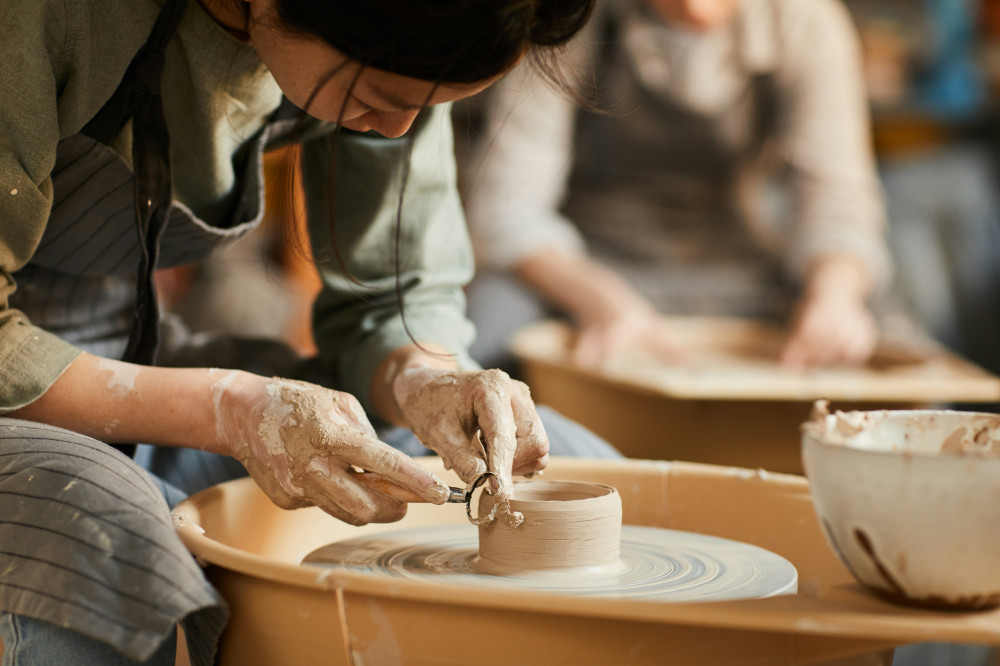
Stepping into a studio filled with the scent of paint, the hum of quiet conversation, and the gentle rhythm of hands at work, something shifts. The noise of daily life fades, replaced by focus and calm. Creative courses offer a mental breather – a place where you don’t have to perform or achieve, only to be present. It’s not about perfection, but about process.
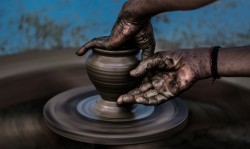
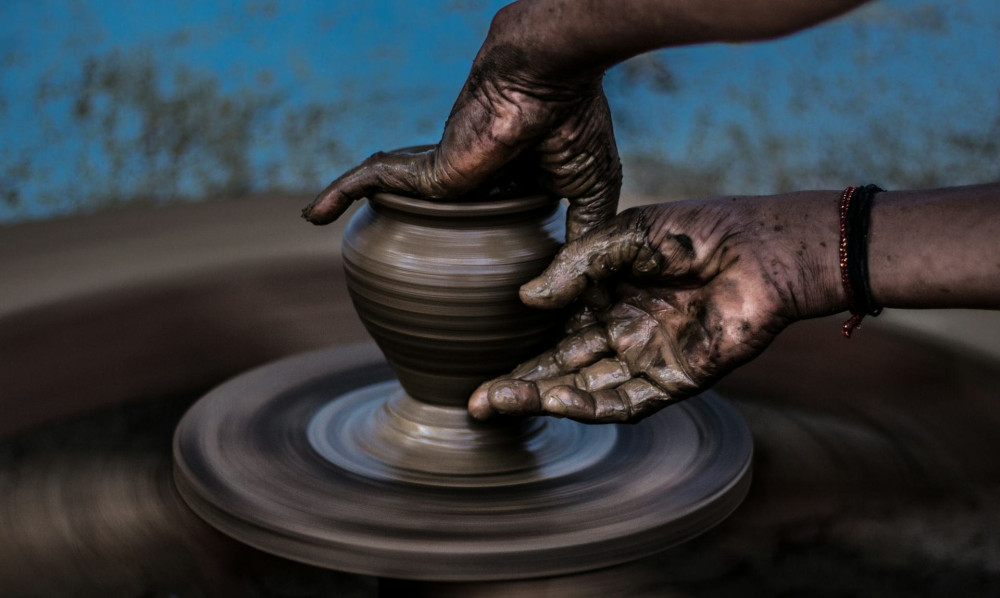
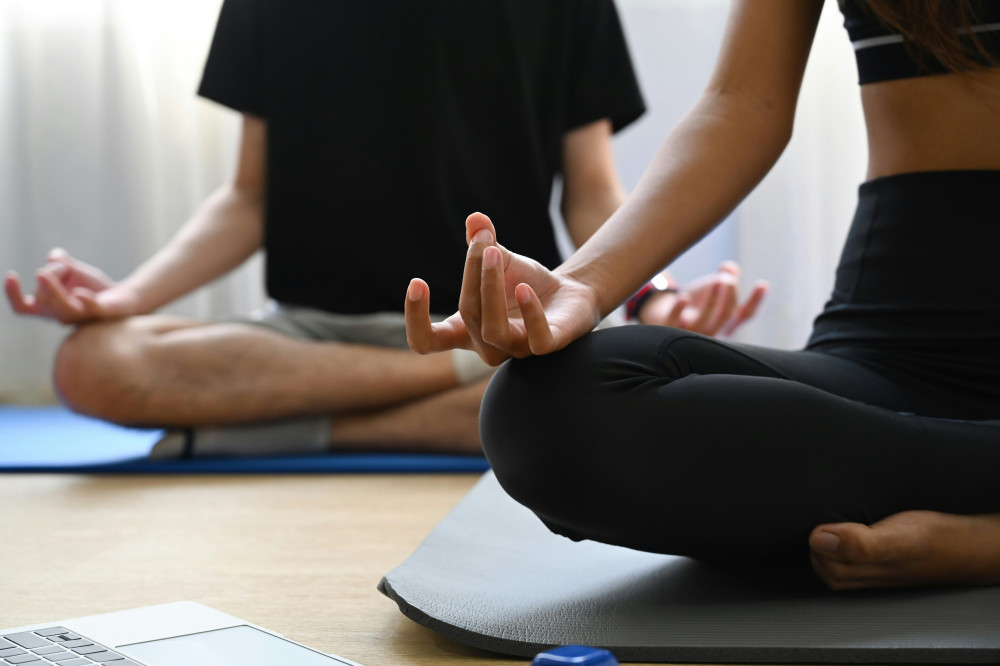
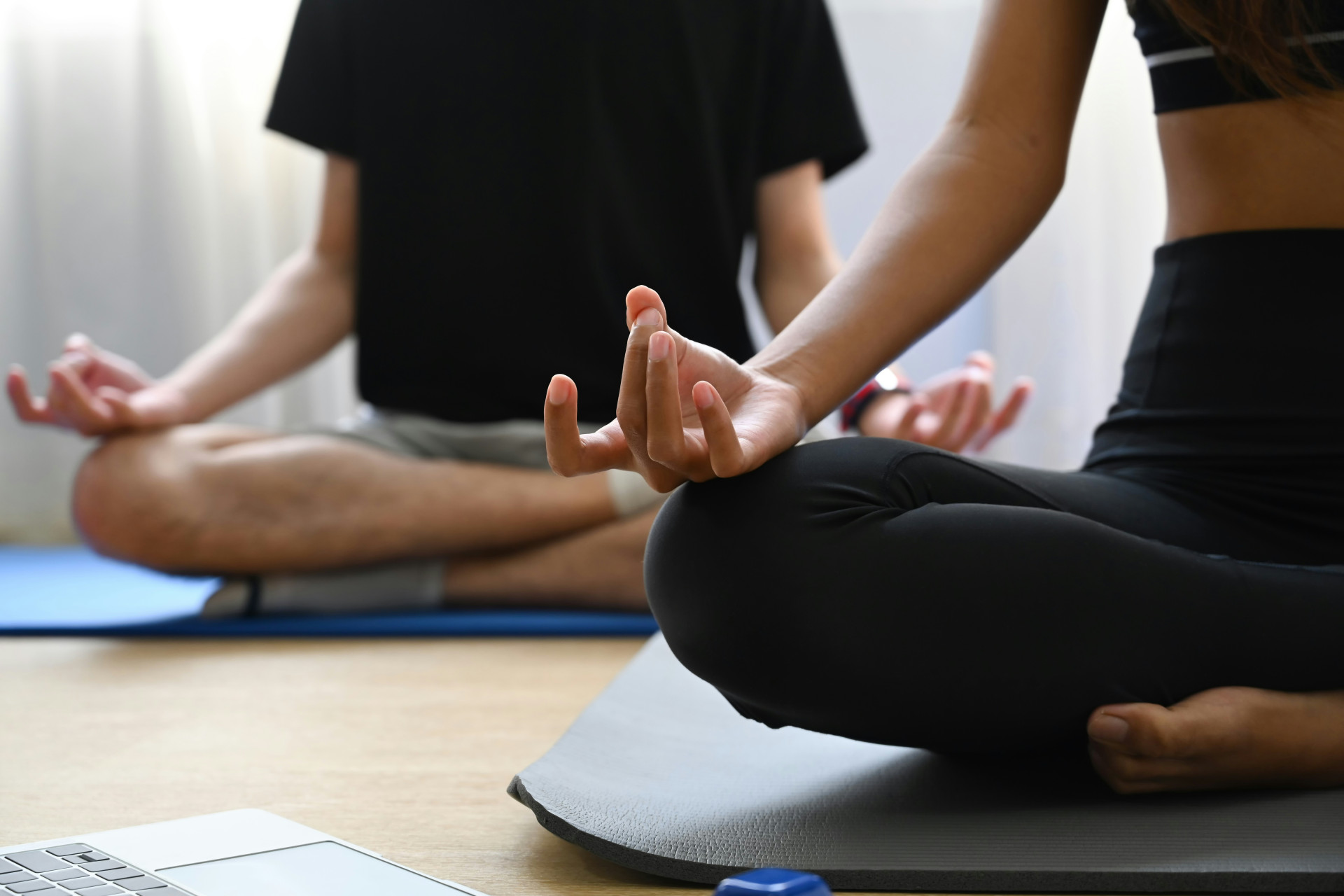
Many participants describe a meditative stillness that arrives after a long day at work, as they shape clay or blend colours. It’s a form of active relaxation: the hands are busy, but the mind is at rest.
Immersion as an antidote to speed
In an age of constant multitasking, doing one thing at a time can feel almost radical. Painting, sewing, or sculpting demands patience and attention. You learn to slow down, to accept that progress takes time, and that mistakes are part of the journey. The very slowness we often resist becomes a source of satisfaction.
Research increasingly supports what many already feel – that creative activity can reduce stress and boost wellbeing. It’s not the finished piece that matters most, but the state of flow that comes from deep concentration, when time seems to disappear.
Community and inspiration
While creativity is often seen as a solitary pursuit, the sense of community on a course is a big part of its appeal. Sitting alongside others who share your curiosity creates a special atmosphere. People exchange ideas, offer encouragement, and learn from one another – not just about technique, but about themselves.
For some, it’s the start of new friendships; for others, a safe space to step outside their comfort zone. The social side keeps many coming back – not only to make, but to belong.
A space to explore
Creative courses in the UK cover a wide spectrum: watercolour painting, ceramics, printmaking, jewellery design, creative writing, and more. What unites them is the freedom to experiment. There are no right or wrong answers – only possibilities. In a culture that often prizes efficiency and results, that freedom can feel liberating.
Many find that creativity spills over into other parts of life. When you dare to try something new in the studio, it becomes easier to think differently elsewhere. It’s about giving yourself permission to play – even as an adult.
Læs også:

Finding the right course for you
If you’re tempted to try a creative course, start by asking what draws you most: colour, texture, storytelling, or perhaps the social experience. Local community centres, adult education colleges, and independent studios across the UK offer short courses and weekend workshops, making it easy to dip your toe in.
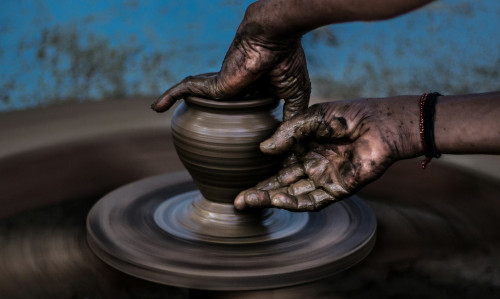
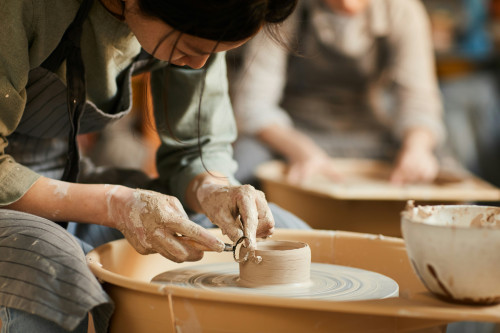
- Pottery and wheel throwing – for those who love working with their hands and feeling the material take shape.
- Painting and drawing – for anyone seeking calm through colour and expression.
- Textiles and sewing – for those drawn to pattern, structure, and the tactile.
- Creative writing – for exploring imagination and voice through words.
The key is not what you choose, but that you give yourself time and space to immerse fully.
The peace of imperfection
Creating with your hands reminds you that not everything needs to be flawless. A slightly uneven bowl or a stray brushstroke can hold its own beauty – a record of the process behind it. When we embrace imperfection, creativity becomes a reflection of life itself: alive, changing, and full of small flaws that make it real.
Creative courses, then, are not just about learning a skill. They are about finding peace in immersion – and perhaps discovering that what we make also quietly remakes us.
Læs også: