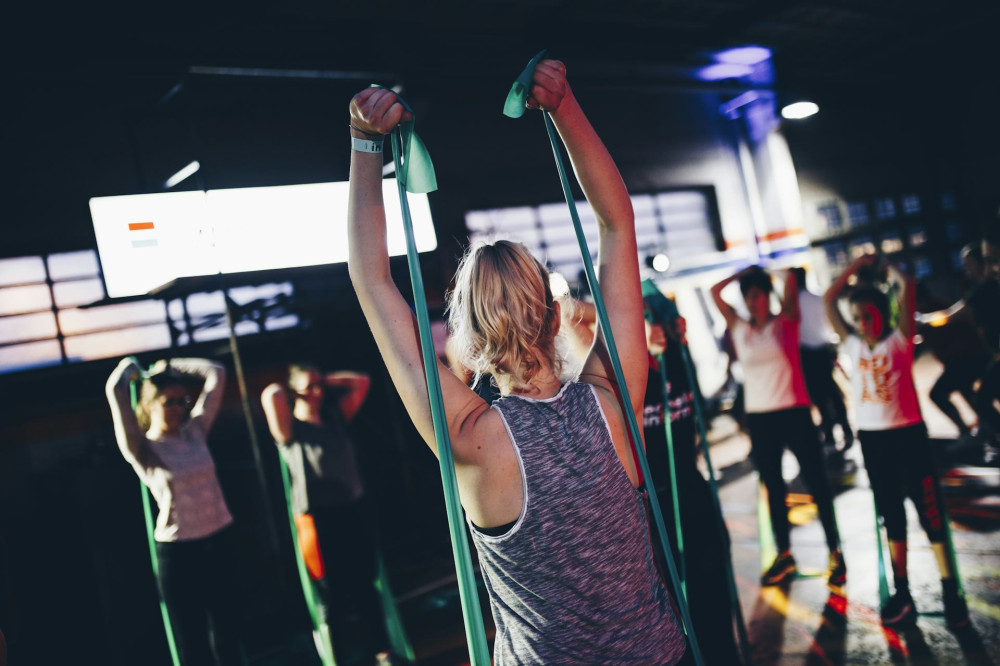
Online Community: How Women Find Workout Motivation Through Social Media

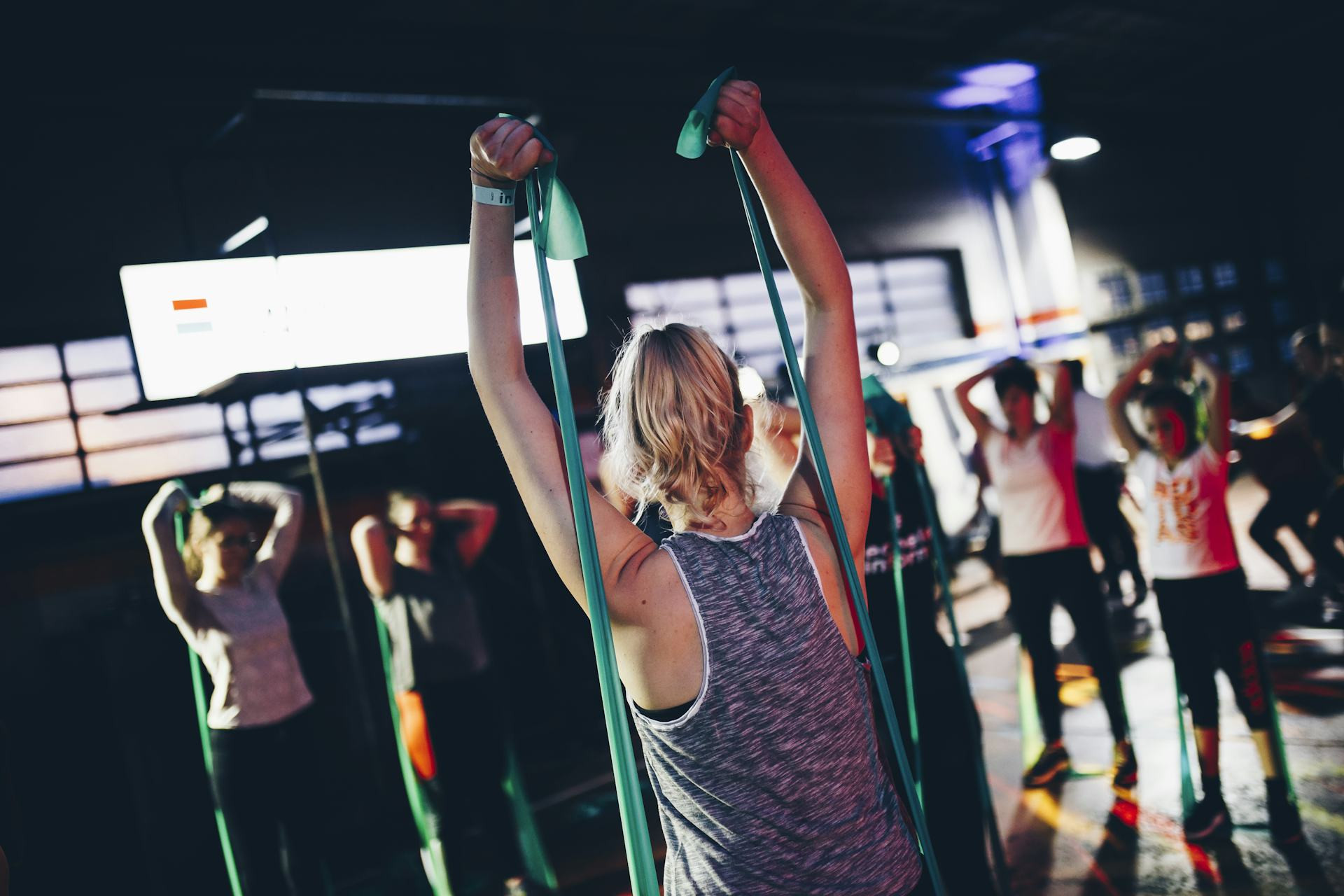
Online Community: How Women Find Workout Motivation Through Social Media
For many women, staying consistent with exercise isn’t just about having the right plan or equipment – it’s about feeling part of something bigger. Increasingly, that sense of community is found online. Platforms like Instagram, Facebook, and TikTok have become spaces where women share their fitness journeys, find encouragement, and stay motivated to move. But how exactly does it work, and what should you keep in mind when seeking workout inspiration through social media?
From Solo Workouts to Shared Journeys
Exercise can be a solitary activity, but it often feels easier when you’re not doing it alone. Online, women can share their progress, struggles, and small victories – and receive support from others who understand what they’re going through.
Facebook groups for runners, virtual yoga collectives, and Instagram accounts with daily workout updates all help create a sense of belonging. It’s not just about showing results; it’s about sharing the process – even on the days when motivation dips.
“I started posting short clips from my home workouts during lockdown,” says 35-year-old Emma from Manchester, who now has over 8,000 followers on Instagram. “At first, it was just a way to keep myself accountable, but it quickly turned into a community where we cheer each other on.”
Inspiration and Role Models
One of the biggest strengths of social media is access to relatable role models. Women can follow trainers, athletes, and everyday people who share honest stories about their fitness journeys. Seeing someone similar to yourself succeed can be a powerful motivator.
There are accounts dedicated to everything from strength training and running to dance and outdoor fitness. Many focus on body positivity and mental wellbeing rather than unrealistic ideals. This shift helps more women find joy in movement rather than pressure to perform.
The Power – and Responsibility – of Community
Online communities can be uplifting, but they can also create pressure. Constant exposure to images of perfect bodies and intense workouts can lead to comparison and self-doubt. That’s why it’s important to curate your digital environment carefully.
A good rule of thumb is to follow accounts that inspire rather than stress you. Look for creators who share realistic goals, talk openly about challenges, and focus on the enjoyment of movement. Many women find that this approach makes a real difference to their motivation and self-image.
Digital Fitness Communities in Practice
There’s now a wide range of online fitness communities available in the UK, both free and paid. Some popular examples include:
- Virtual running clubs – where members log their runs via apps and share results with others.
- Online bootcamps – where participants train together through livestreams and motivate each other in chat groups.
- Hashtag communities – such as #ThisGirlCan or #WomenWhoLift, where users share photos and connect with like-minded women.
- Fitness challenges – like 30-day yoga or squat challenges, which provide structure and shared goals.
All of these combine the flexibility of solo training with the motivation of being part of a group.
When Online Becomes Offline
For many, the connection starts online but soon moves into real life. Women who meet through social media often organise local runs, group workouts, or wellness retreats. It shows that digital communities don’t replace in-person connection – they can actually lead to it.
“We met through a Facebook group for new mums who wanted to get back into running,” says Sarah, 32, from Bristol. “Now we meet every Saturday morning in the park. It’s become a highlight of my week.”
Læs også:

Finding Your Own Balance
Social media can be a fantastic source of motivation – if used mindfully. The key is finding a balance where the community lifts you up rather than wears you down. Use digital platforms as tools for support, inspiration, and joy in movement, but remember that your fitness journey is ultimately your own.
When community and movement come together – even online – they can become a powerful force for both physical and mental wellbeing.
Læs også: